

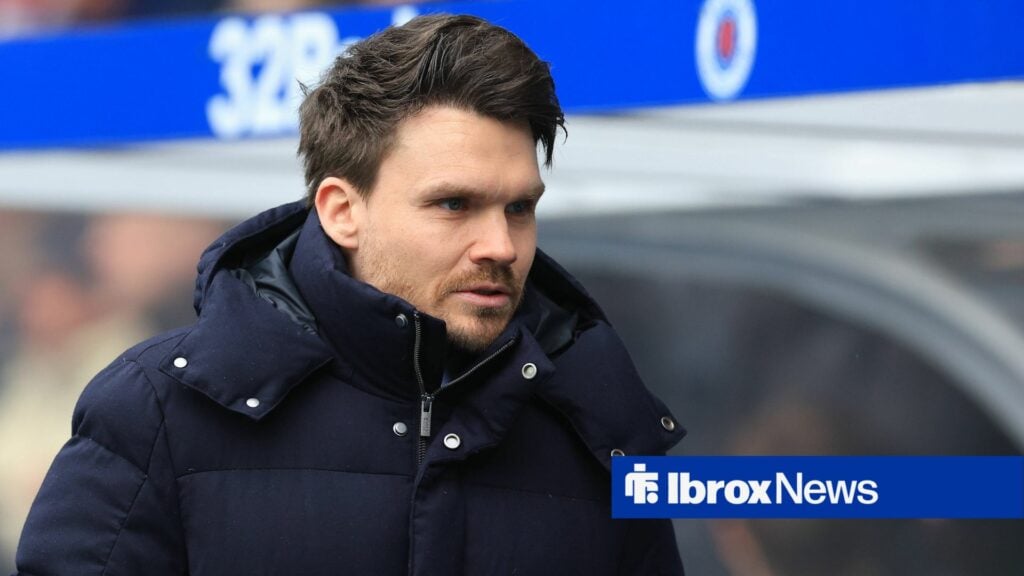



Out of the World Cup 2026, out of millions: Super Eagles $15m blow explained

The Super Eagles of Nigeria will not be participating in the 2026 FIFA World Cup, and while that is a big blow for the nation's sporting prestige, it's an even bigger hurt for the finances of the country, Soccernet.ng reports.
When the expanded 48-team Mundial kicks off across the United States, Canada and Mexico, Nigeria will not be one of the ten African nations in action.
For a football nation of over 200 million people, and arguably one of the most commercially powerful brands in African football, the absence of the Super Eagles team is more than a sporting disappointment; it is an economic setback, and a branding blow.
In this piece, Soccernet.ng makes an estimate of how much the nation lost by failing to qualify for the 2026 FIFA World Cup.
Get Our Sports News First – Join Our WhatsApp Channel Now!
The Guaranteed FIFA Prize Money: The First $15m
World Cup participation alone comes with a substantial financial reward from FIFA. At Qatar 2022, every qualified nation received a minimum participation fee of $1.5 million, and the teams eliminated in the group stage earned around $9 to $12 million in total payouts, as per Goal.
For 2026, with the tournament expanding to 48 teams and FIFA projecting record revenues exceeding $11 billion, prize money is expected to increase significantly. Conservative projections suggest that even group-stage elimination could have earned Nigeria between $12m and $15m at minimum.
That is the base figure, just for showing up and sealing Group stage qualification.
Given that the NFF has faced recurring financial scrutiny, delayed bonuses, and administrative instability in recent years, a guaranteed inflow would have been transformative. It could have been channelled into growing the local league.
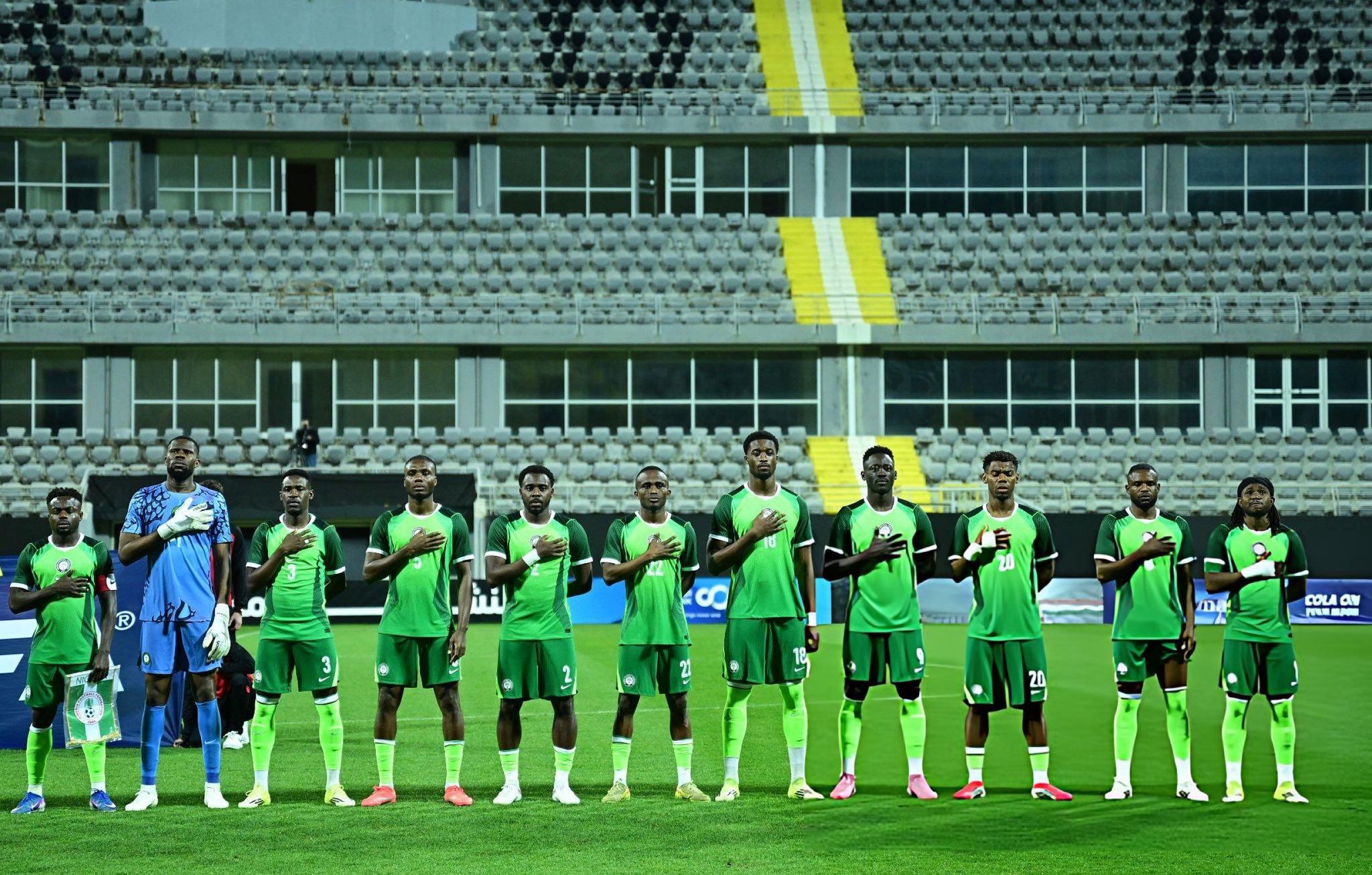
Nigeria's in-flow if Super Eagles made the quarter-final
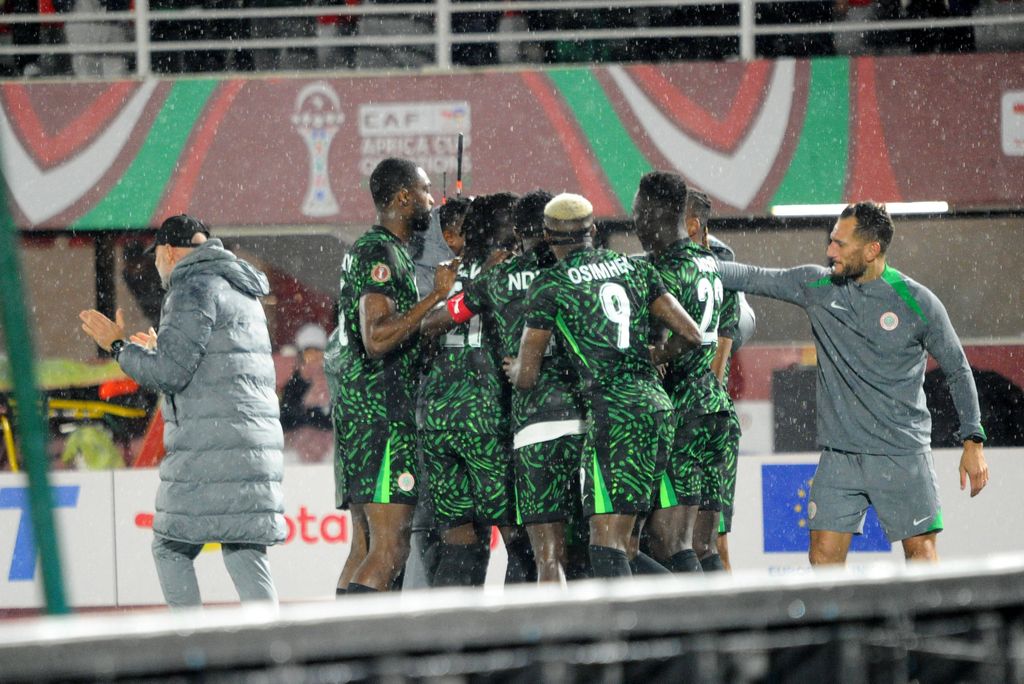
Having finished third in the AFCON 2025 tournament, alongside the influx of new talent like Philipp Otele, Emmanuel Fernandez, and Chibuike Nwaiwu, the Super Eagles' chances of emulating Morocco's 2022 run would be on the high side.
The quarter-finalists earned $17m in Qatar, and as per new FIFA Projections, achieving the same feat this summer would see the nations bowing out of the final eight earn $19m.
Add participation funds, performance bonuses, and commercial clauses, and the total could have approached an estimated $25m. However, that dream doesn't hold water because the Super Eagles will be watching the World Cup from their homes.
Brand Partnerships and Commercial Deals
Nigeria at the World Cup is not just about football. It is a cultural export and a marketing funnel.
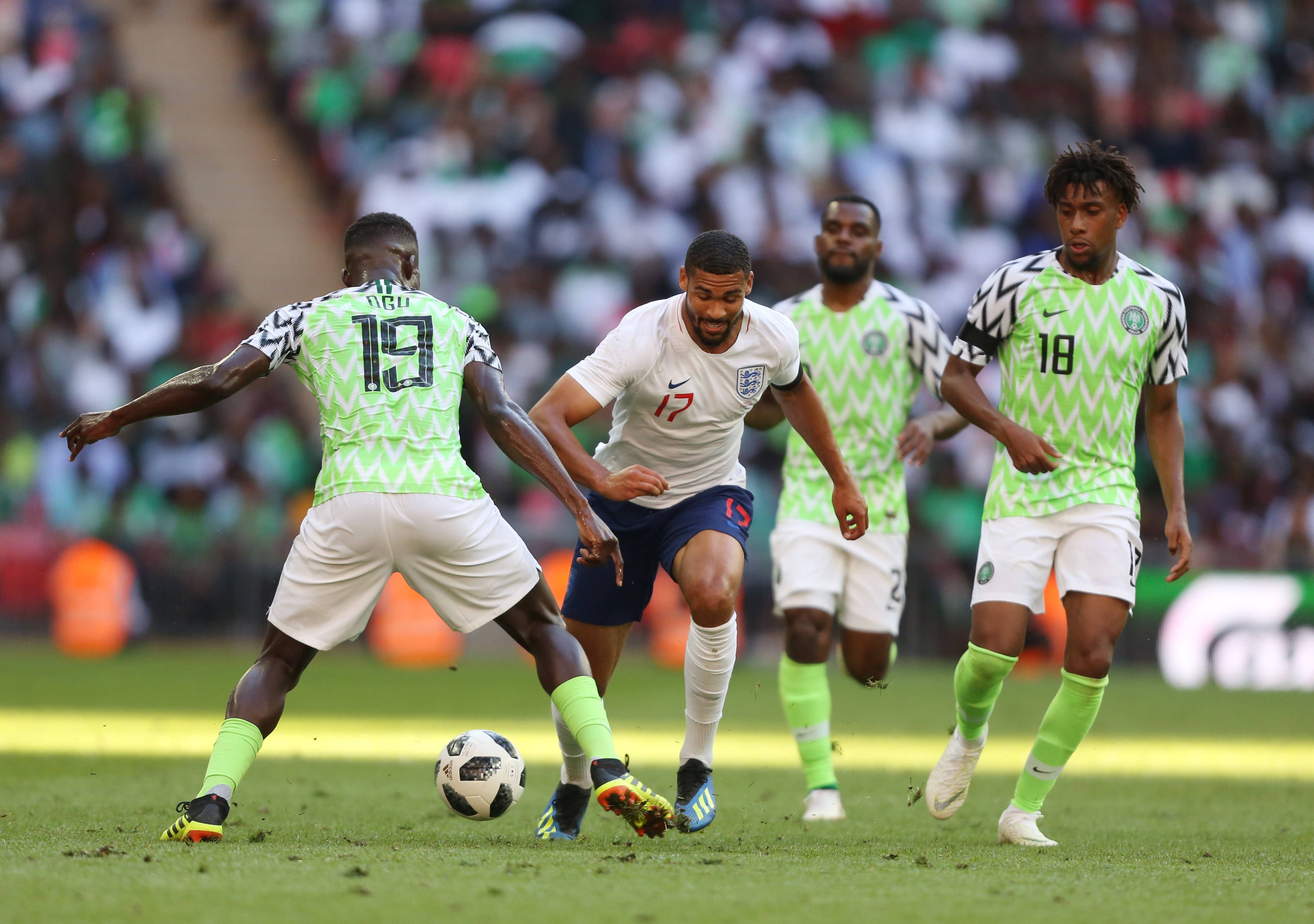
From kit sales to corporate activations, the Super Eagles are one of Africa’s most globally marketable national teams. The 2018 Nike jersey famously sold out within minutes of release in London stores.
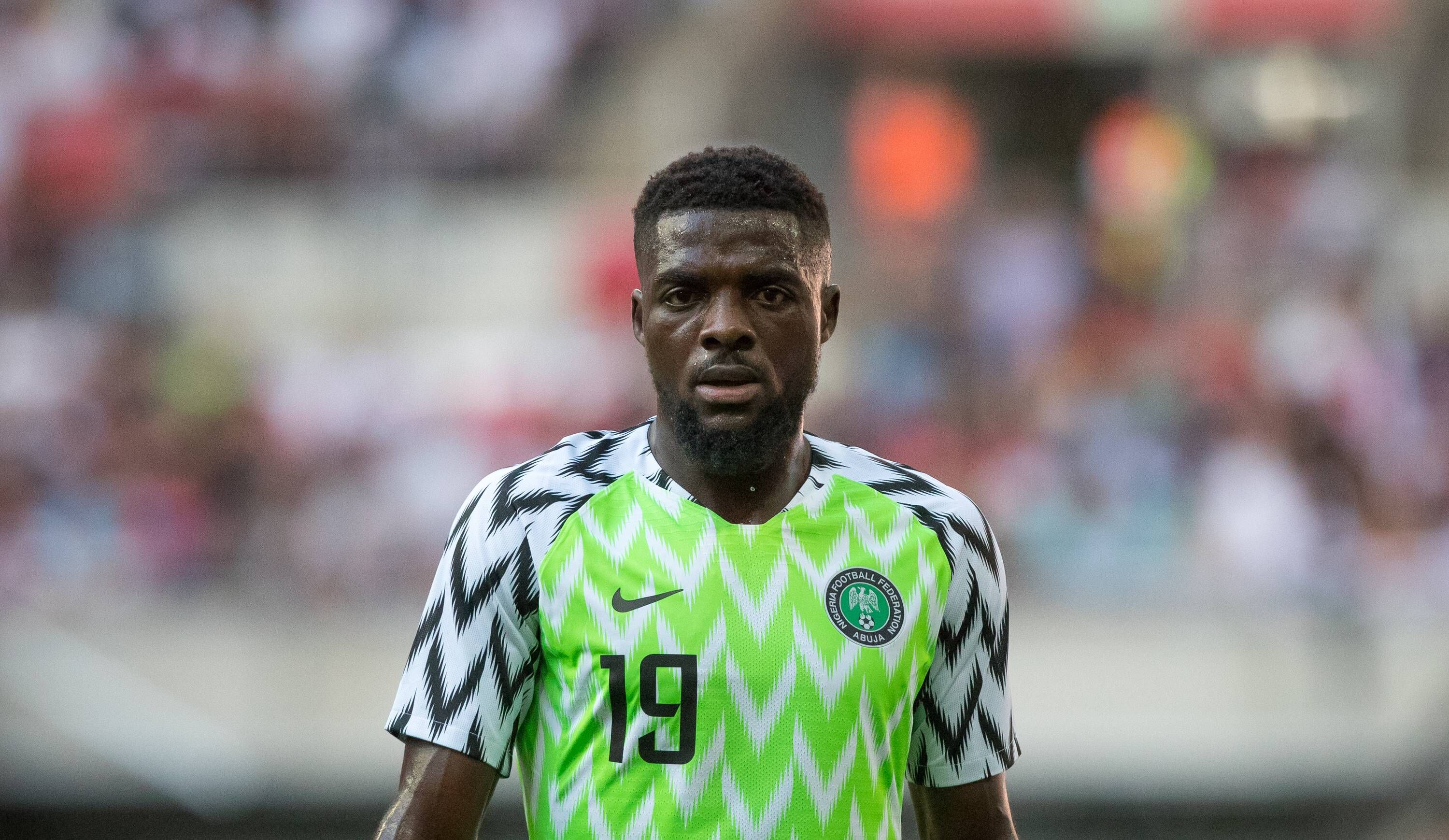
Qualification would have triggered performance-based sponsor bonuses, increased shirt sales globally, new short-term commercial partnerships and tournament-specific brand deals.
Major Nigerian banks, fintech companies, telecom giants, beverage brands, and betting platforms typically align marketing campaigns around major tournaments. Without participation, those campaigns shrink domestically and disappear globally.
These inclusions hold the potential of generating between $5m and $10m, although it banks on several factors. However, given how well Nigeria have done in continental performances over the past three years, the figures aren't far-fetched.
Additionally, a World Cup qualification amplifies media ecosystems. Had Nigeria qualified, more Nigerian journalists would secure accreditation, media houses would garner higher traffic (since everyone wants to be informed about the World Cup), and pundits would benefit from increased bookings.
The ripple effect extends to YouTube shows, podcasts, independent blogs, and fan channels. Nigerian football discourse performs exponentially better when the Super Eagles are at a major tournament. Without qualification, the content economy shrinks.
For a country with one of the most vibrant football media communities in Africa, losing visibility carries both financial and reputational costs. Also, the banter on social media wouldn't hit as usual.
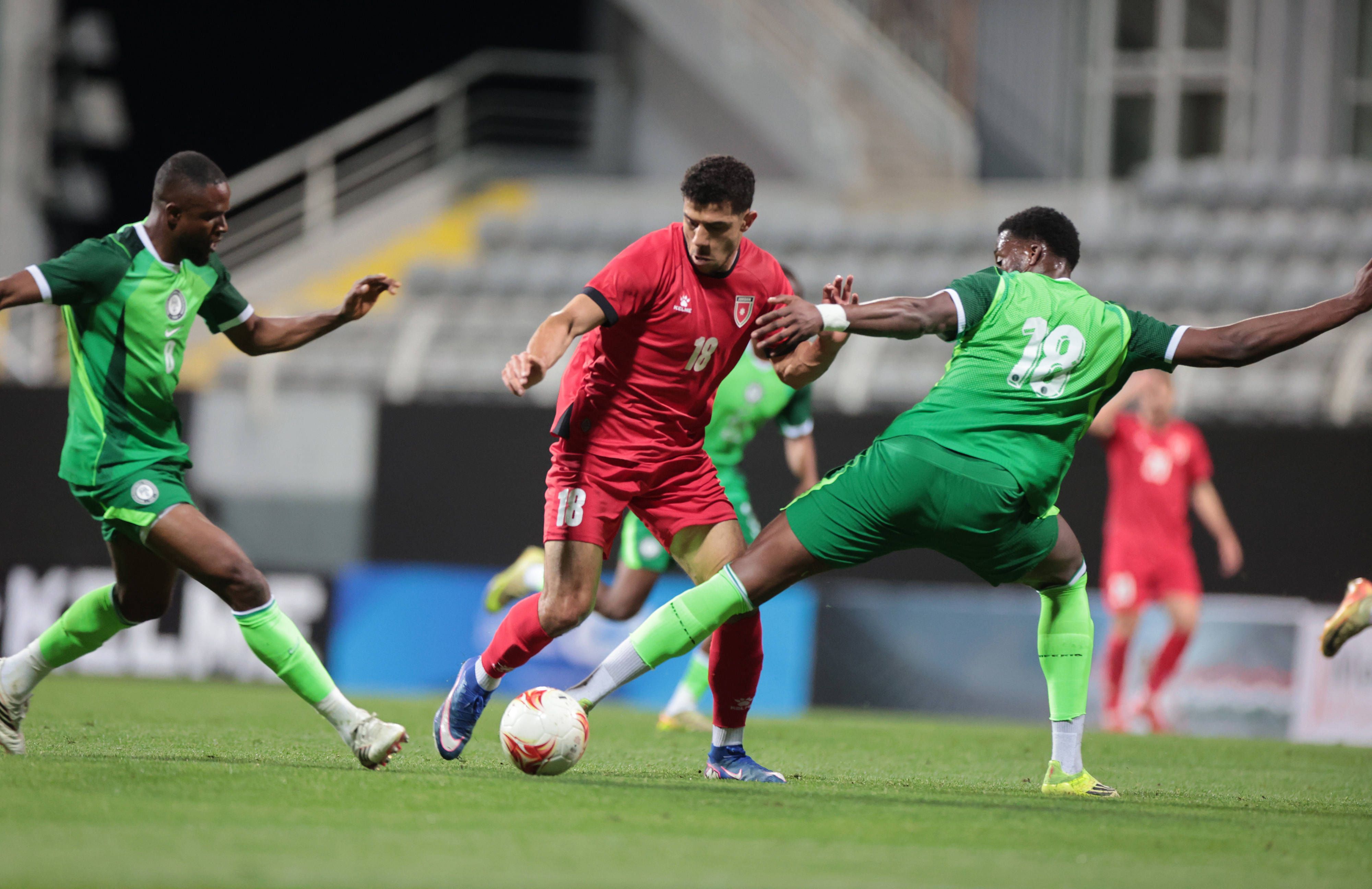
Nigeria's Diaspora culture
The 2026 tournament will be hosted across three North-American nations, two of which house a massive Nigerian diaspora population.
Cities like Houston, Atlanta, Toronto and New York host thriving Nigerian communities. A Super Eagles qualification would have birthed fan festivals where Afrobeat artists could perform, and give a sense of what they miss about being back home.
Nigeria’s absence means one less opportunity to project its fashion, music, youth culture and sporting identity on the biggest stage in world sport.
The disconnect between the players and the Nigerian football fans
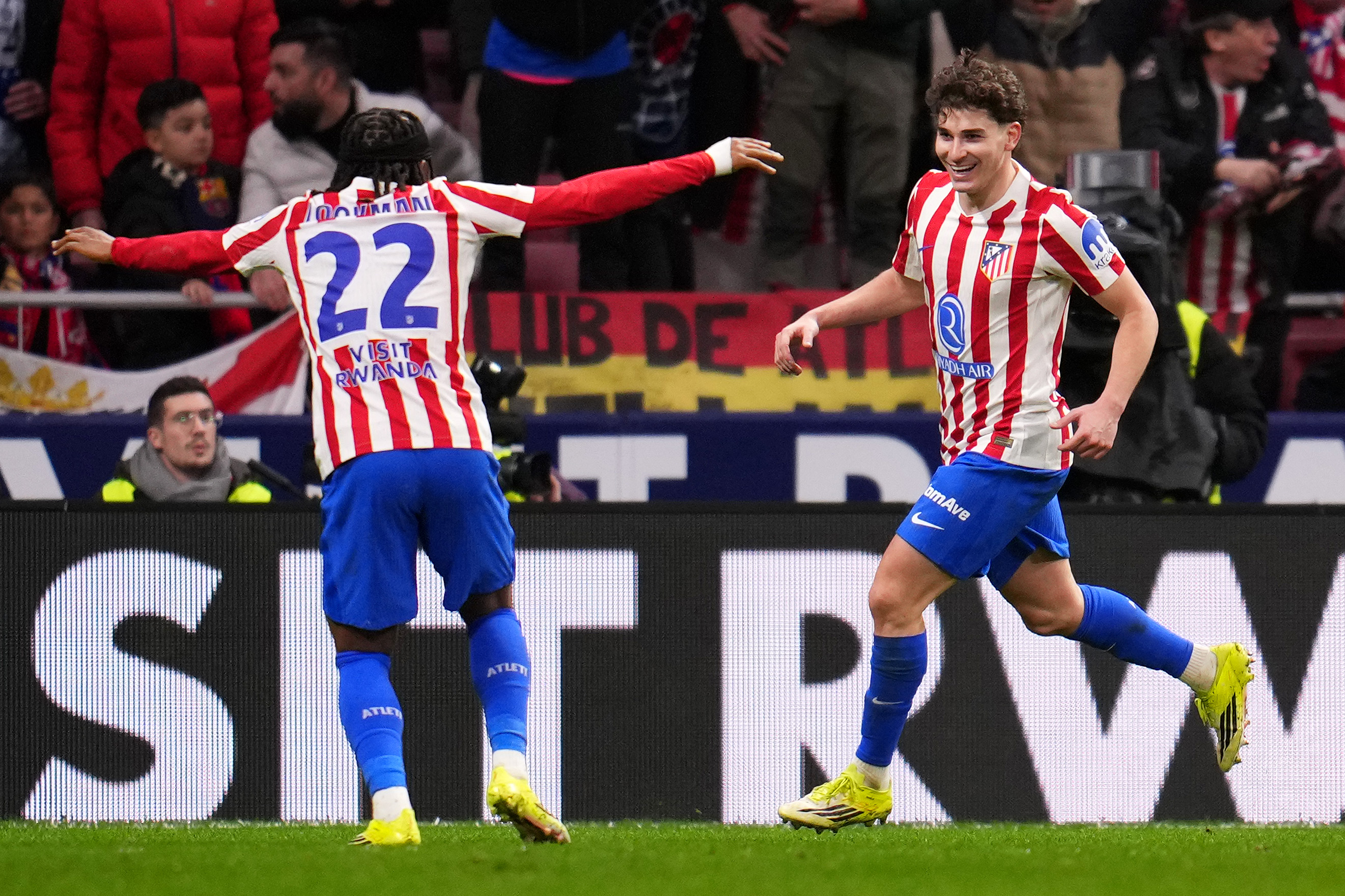
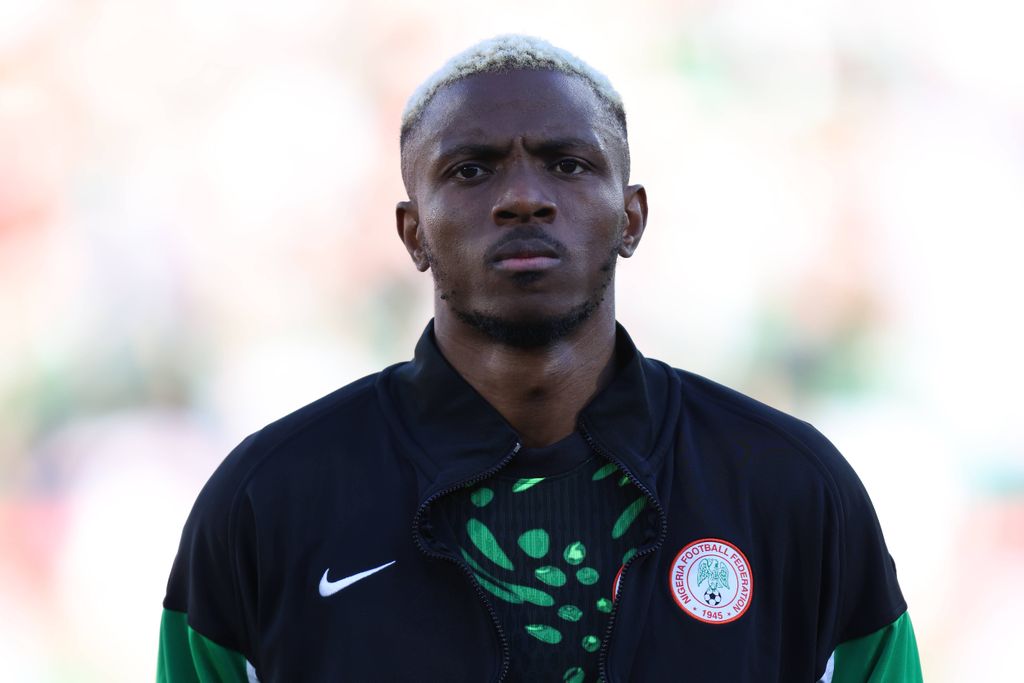
Victor Osimhen, Ademola Lookman, and other big names would have entered the tournament as global talking points. A breakout run could have elevated Nigeria’s next generation further.
Also, failing to appear at a World Cup might affect the reputation of this generation of Super Eagles players, as history might not be as kind to them.
Sunday Oliseh’s thunderbolt against Spain in 1998 echoes in the memories of fans to date, alongside Ahmed Musa’s brace against Argentina in 2014, and his double against Iceland in 2018.
While Osimhen and Lookman have lifted the CAF POTY award individually, there's yet to be a binding moment that the duo have produced in the Nigerian jersey that'll make them be remembered eternally.
With the World Cup out of the picture, it gets harder for both, as their careers would be winding down, should they look to push again in four years.
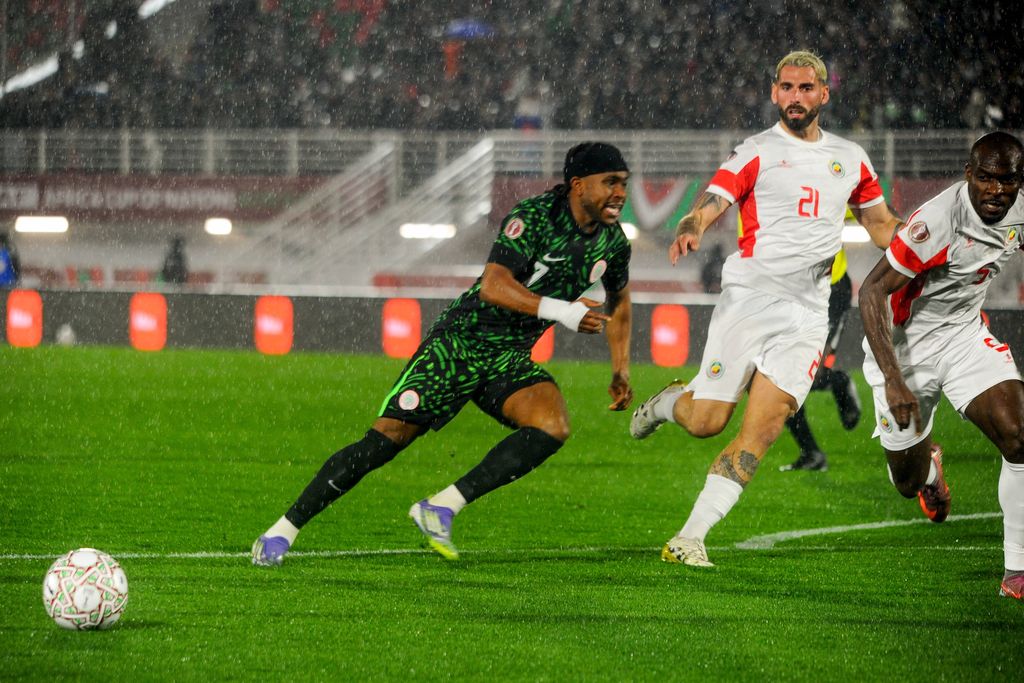
When combined, Nigeria’s total missed economic and commercial impact could reasonably approach $30m–$40m or more, depending on performance trajectory, and that still excludes intangible cultural influence, which can only be accounted for in experience.
The World Cup miss is a sporting failure, but the economic implications are much worse, and when the tournament kicks off in June, it'll be painfully evident that qualifying for the Mundial is no longer optional.
What's Your Reaction?
 Like
0
Like
0
 Dislike
0
Dislike
0
 Love
0
Love
0
 Funny
0
Funny
0
 Angry
0
Angry
0
 Sad
0
Sad
0
 Wow
0
Wow
0